|
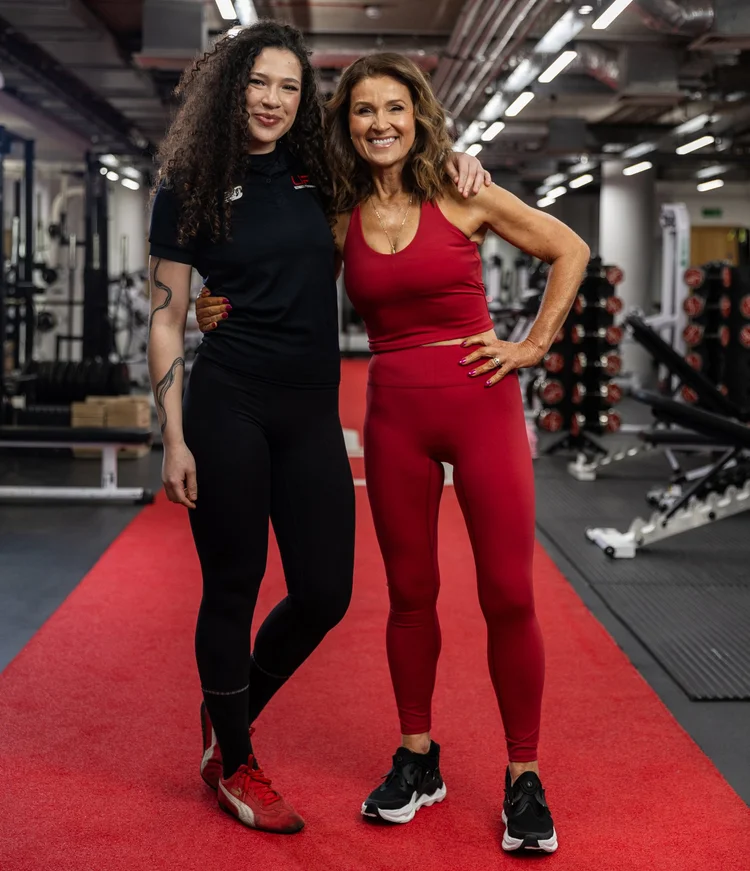
Dear Reader, I talk a lot about strength training because it is so important for building muscle, stamina and resilience, quite apart from the fat burning powers of muscle. People often ask me why I still work with personal trainers when I must by now know what I am doing in a gym. The answer is simple. For the same reason that hairdressers still need someone else to cut their own hair. I can see part of what I am doing in the gym, but not from the back or sides. I also want someone holding me accountable, watching my technique in detail and helping me get the maximum outcome from every exercise. That doesn’t mean you can only train well with a trainer - but in my opinion for best long term results it does make a big difference to have someone regularly keeping you on point, alongside your individual training. Not all trainers are equal however. I think a good trainer should help you train safely, consistently, and effectively while adapting to you as an individual. Here’s what I would ask if I were ‘interviewing’ a PT: “How would you approach my goals?” “How do you assess a new client before starting a programme?” “How do you decide which exercises I should do?” “How do you measure whether the programme is working?” “How do you approach nutrition?” “How do you progressively make a programme harder?” “What would you do if I stopped making progress?” “How do you adapt training if I'm tired, stressed or have a minor injury?” “What happens if an exercise causes me pain?” “How do you keep your knowledge up to date?” “Can you give me an example of a client whose goals were similar to mine and how you approached their training “What do you expect from me as a client?” Good training outcomes require commitment from both sides and good trainers are worth their weight in gold. Happily I’ve worked with some of the very best @ultimateperformancelive @effythealien, so I hope the above helps! For more tips and hints on how I lost 30kgs at 57 and kept it off, use code FAB25 and get 25% off my latest book, Fit & Fabulous over 50, how to rewire your second act. In health, Alison
|